
Evaluation for Primary Hypogonadism
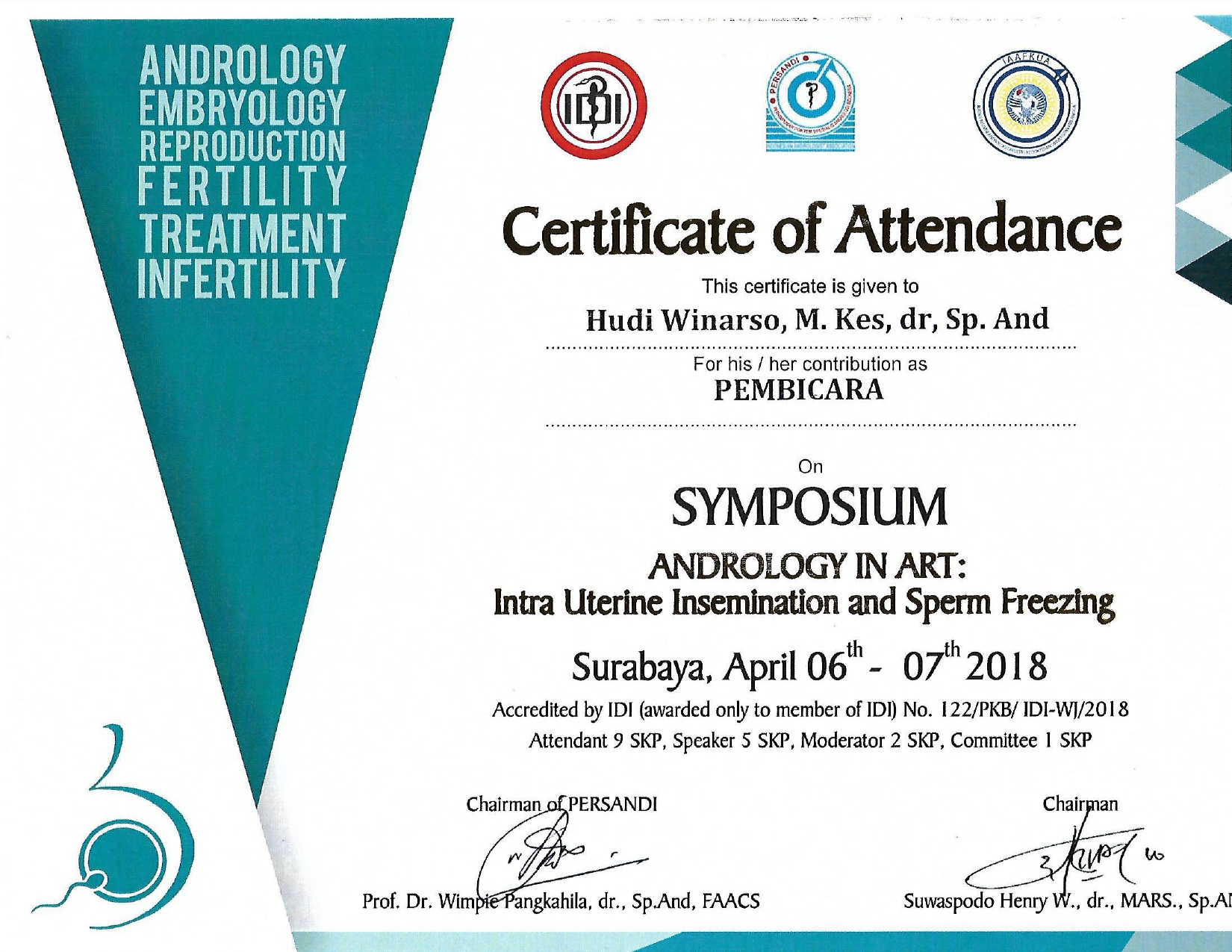
Date
2018-04Metadata
Show full item recordAbstract
Male hypogonadism is a condition in which the body doesn’t produce enough testosterone- the hormone that plays a key role in masculine growth and development during puberty – or has an impaired ability to produce sperm or both.
There are two basic types of hypogonadism :
- Primary. The type of hypogonadism – also known as primary testicular failure – originates from a problem in the testicles.
- Secondary. This type of hypogonadism indicates a problem in the hypothalamus or the pituitary gland – parts of the brain that signal the testicles to produce testosterone.
Primary hypogonadism is associated with low levels of testosterone and high-normal to high levels of LH and FSH. For the diagnosis of primary hypogonadism, FSH measurement is partially important because FSH has a longer half life, is more sensitive, and demonstrates less variability than LH
In case of primary hypogonadism in pre pubertal male, life-long testosterone treatment is needed. Treatment is initiation of therapy with small doses of testosterone (50 – 100 mg IM) every 3 or 4 weeks at the appropriate psychosocial stage in development. When a final adult height is thought to have been obtained, the adult dose of testosterone replacement is inaugurated.